Foundation Dental Intelligence
Newsletter No. 44
The Ecosystem Advantage.
A Smarter Path to Independent Practice Growth
Independent dentistry is not broken. The job surrounding it got bigger. Patients expect more convenience. Teams expect better leadership. Technology changes faster, administrative work keeps expanding, and owners are expected to understand operations, culture, communication, patient experience, hiring, technology, marketing, financial performance, and long-term strategy while still practicing dentistry.
That was not the job when many of us started. The traditional independent practice can still work extremely well, but the amount of responsibility sitting on the owner has changed. When every new opportunity requires more of your personal time, every problem still needs your judgment, and growth depends on you doing more, the practice eventually reaches a ceiling.
The answer is not another clinical day or another collection of disconnected projects. It is a different way of designing the practice around what already works. The shift is from addition to multiplication - from building a practice that depends on your effort to building an ecosystem that increases capability around you.
When Growth Still Depends on You
Addition is easy to recognize once you know what to look for. Revenue increases, but so does the doctor's workload. The team is capable, but routine questions continue to reach the owner. A vacation creates more preparation before leaving and more cleanup after returning. New technology or a new service line creates another thing the dentist has to supervise.
The practice may be doing well financially, which makes the problem harder to see. Nothing is necessarily failing. The business is simply becoming more dependent on one person as it becomes more complicated. Owners often respond by adding another employee, another system, another consultant, another piece of technology, or another marketing channel. Some of those decisions may be good decisions, but adding resources without connecting them can leave the owner responsible for coordinating everything that was added.
That is the difference between addition and multiplication. Addition gives the practice more moving parts. Multiplication creates capability that continues working without asking the owner to manage every part personally.
What a Dental Ecosystem Actually Is
A dental ecosystem is simply the collection of people, systems, relationships, and assets that make the practice more capable together than they would be separately. Each part has a job, but the value comes from how those parts reinforce one another. The practice stays at the center. Ecosystem thinking does not replace independent ownership; it gives independent owners a better structure around the work they are already doing.
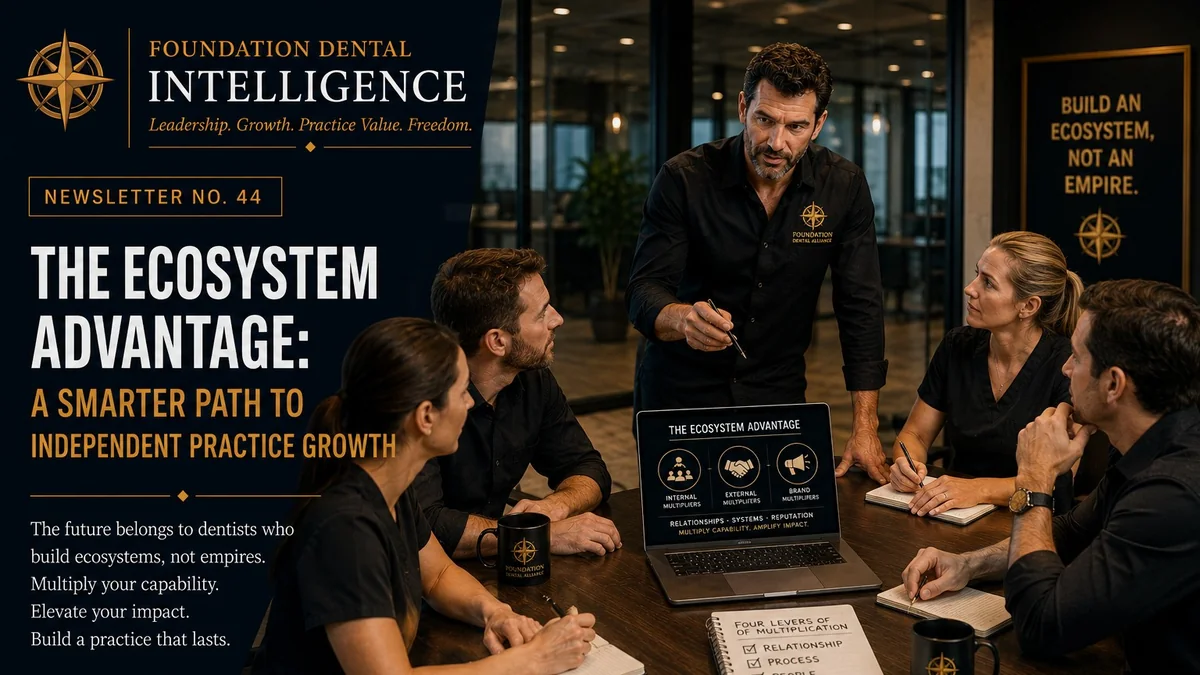
The original framework has three layers: internal multipliers, external multipliers, and brand multipliers. The labels matter less than the logic. The practice needs strength inside its walls, useful capability around the practice, and a reputation that communicates value before the dentist has to personally explain it.
Layer 1: Internal Multipliers
The internal layer includes leadership, systems, workflows, communication, and the people responsible for operating them. No outside relationship or marketing strategy can compensate for a practice that does not function well internally.
A strong internal layer means the team understands the standards, decisions are made at the appropriate level, and important processes do not exist only in the doctor's memory. Rising team members are given enough responsibility to develop judgment. The practice can maintain its normal rhythm when the owner is not physically present for every decision.
Systems matter, but systems alone are not enough. People have to understand what the system is designed to accomplish and have the authority to protect the standard when the checklist does not provide an obvious answer.
Layer 2: External Multipliers
Independent does not have to mean isolated. The external layer includes specialists, vendors, advisors, professional partners, and community relationships that expand what the practice can offer without requiring the dentist to become an expert in everything.
Most dentists already have these relationships. The difference is whether they are simply names in a contact list or whether they operate as part of a deliberate network. A specialist relationship can be more than sending cases back and forth. Doctors can align on treatment philosophy, review difficult cases, and create a more consistent patient experience between offices. A CPA can be more than the person who prepares the tax return. The right advisor can help the owner understand the financial implications of decisions before those decisions become expensive.
The objective is not to collect more relationships. It is to know which relationships actually increase the capability of the practice and make care, decisions, or operations better.
Layer 3: Brand Multipliers
The third layer is the reputation and knowledge that continue working when you are not personally having the conversation. Your website, Google presence, video, patient education, community visibility, podcasts, newsletters, and other useful content can all become assets when they communicate something specific and consistent about the practice.
This is not about becoming an influencer. It is about allowing your expertise to exist outside the operatory. If you explain the same concept to patients every week, there may be a better way to teach it once and allow that explanation to keep doing useful work. If your practice is known for a particular clinical standard or patient experience, your digital presence should make that clear before someone ever calls the office.
A strong reputation reduces the amount of explanation required later because people arrive with more context and more trust. The dentist's knowledge stops being valuable only during chair time and becomes part of the infrastructure of the practice.
The Four Levers of Multiplication
The original framework also identified four places where multiplication can occur: relationships, intellectual property, reputation, and financial assets. Those categories are useful because they force an owner to look beyond production as the only source of growth.
The relationship multiplier comes from professional relationships that make the practice more capable. The intellectual multiplier comes from documented systems, training, and patient education that allow knowledge to be used more than once. The reputation multiplier comes from a consistent presence that builds trust before the doctor is personally involved. The financial multiplier comes from assets such as real estate, useful technology, efficient processes, and developed talent that continue creating value beyond chairside production.
None of these works particularly well by itself. A documented system is more useful when a capable leader owns it. A strong specialist relationship becomes more valuable when the team knows how to use it. Good educational content works better when the clinical experience actually supports the promise being made. The connections are what make the structure useful.
The Cross-Synergy Effect
The same idea is visible inside Foundation Dental Alliance. Foundation Dental Intelligence educates dentists and introduces ideas that can lead to deeper conversations through the Foundation Dental Mastermind, Luxury Dental Retreats, Foundation Dental Network, Foundation Dental Transitions, the Foundation Dental Podcast, and other parts of the Alliance. Those entities are not valuable because there are many of them. They are valuable when one part makes another part more useful.
A newsletter can introduce an idea that becomes a Mastermind discussion. A retreat can create a relationship that later becomes useful when an owner needs a trusted advisor. Transition work can create lessons that improve future education. Podcast conversations can introduce faculty, partners, or perspectives that strengthen other parts of the system. The purpose is not to build a collection of entities. It is to make sure each part has a reason to exist and strengthens something else.
What This Looks Like in a Dental Practice
Consider a practice that already does good dentistry, has a capable team, and enjoys a solid reputation in its community. The owner is not trying to fix a failing business. The owner is trying to make a good practice less dependent on one person.
The first move might be internal. A rising team member takes ownership of an important system and begins making routine decisions that previously reached the doctor. The practice may then strengthen relationships with its most important specialists so patient handoffs and complex cases become more consistent. The team documents a few recurring patient conversations and creates better educational material rather than explaining everything from scratch every day.
The practice may also become more intentional about one or two digital channels so prospective patients understand what makes the practice different before they schedule. None of those decisions is dramatic. Together, they change the operating model because more capability begins to come from the structure around the doctor rather than exclusively from the doctor.
A 90-Day Starting Point
Start by finding the place where the owner is carrying responsibility that could be multiplied. For one practice, that may be leadership. For another, it may be a valuable clinical process that nobody has documented. Another owner may have excellent specialist relationships that have never been organized into a better patient pathway. Someone else may have twenty years of expertise that patients only receive during individual appointments.
The first 30 days should be diagnostic. Identify where capability is trapped in one person, map the relationships that matter most, and choose one process or area of expertise that deserves to be documented. During the next 30 days, put one connection into practice. Give a capable team member more ownership, schedule a meaningful conversation with an important professional partner, document the system you keep explaining verbally, or improve one patient education asset that would make the clinical conversation easier.
Use the final 30 days to observe what changed. Did the owner receive fewer routine questions? Did the team handle something more confidently? Did a partner relationship become more useful? Did patients arrive better
informed? Most importantly, did the change remove work from the owner or simply create another thing to manage? If the new initiative creates more work without increasing capability somewhere else, it is addition disguised as progress.
The Mistakes That Make This More Complicated Than It Needs to Be
The first mistake is confusing more activity with a better ecosystem. More relationships, more content, more systems, and more technology do not automatically create anything useful. Every part needs a reason to exist and a connection to something else that matters.
The second mistake is choosing partners because they are available rather than because they fit the standards of the practice. A poor relationship does not become valuable because it is labeled strategic. The third mistake is waiting until everything is perfect before documenting or delegating it. Most good systems become better after other people start using them. Document what works today, let the people closest to the work improve it, and keep refining the standard.
Owners often want the finished ecosystem before they begin building it. In practice, the structure becomes visible after enough useful connections have been built and proven.
A Practical Self-Assessment
Ask whether your important systems continue working when you are not in the building. Can your team make routine decisions without waiting for you? Do your most important professional partners understand how you want patients cared for? Does your digital presence accurately explain why the practice is different? Are rising team members being developed into greater responsibility? Does some part of your knowledge continue helping patients or the team when you are not personally delivering it?
You do not need six yes answers before the practice is healthy. The questions simply show where the next opportunity sits. If almost everything still depends on the owner, begin internally. If the practice is strong inside but disconnected outside, strengthen the relationships around it. If the clinical experience is excellent but nobody knows that until they walk through the door, work on reputation and patient education.
Frequently Asked Questions About Dental Practice Ecosystems
What does a dental ecosystem actually mean?
A dental ecosystem is a connected structure of internal systems and leaders, outside professional relationships, and reputation or educational assets that reinforce the practice. The goal is to increase capability without making the dentist personally responsible for every new function.
Does building an ecosystem mean I need multiple businesses?
No. Most dentists do not need multiple entities. A single independent practice can operate as an ecosystem when its people, systems, partners, and external assets work together instead of existing as disconnected parts.
Where should I start if everything still depends on me?
Start inside the practice. Identify one recurring responsibility or decision that should not require you, then develop the person, system, or documented process needed to move that responsibility to the right level.
How does an ecosystem help an independent dentist remain independent?
It reduces the pressure on one owner to supply every capability personally. Strong internal leadership, reliable partners, documented knowledge, and a reputation that works beyond the dentist's direct effort give an independent practice more operating capacity without giving up ownership.
Can ecosystem thinking improve practice value?
It can support the factors that contribute to value, including lower owner dependency, stronger leadership, documented systems, reputation, and more predictable operations. Those factors matter because they make the business less dependent on one person.
How do I know if I am adding complexity instead of multiplying capability?
Ask whether the new activity removes dependence, improves a useful capability, or strengthens another part of the practice. If it simply gives the owner another responsibility to supervise, you added work. You did not build an ecosystem.
The Question I Would Ask Now
Most practice owners do not need another thing to do. They need the things they already do well to stop depending entirely on them. That is what makes ecosystem thinking useful.
You are not trying to create the largest possible network of people, systems, technology, and content. You are trying to create enough connection that the practice becomes stronger without requiring the owner to become busier every time it improves. Independent dentistry remains a very good model. It works better when independence does not mean doing everything alone.
ABOUT THE AUTHOR
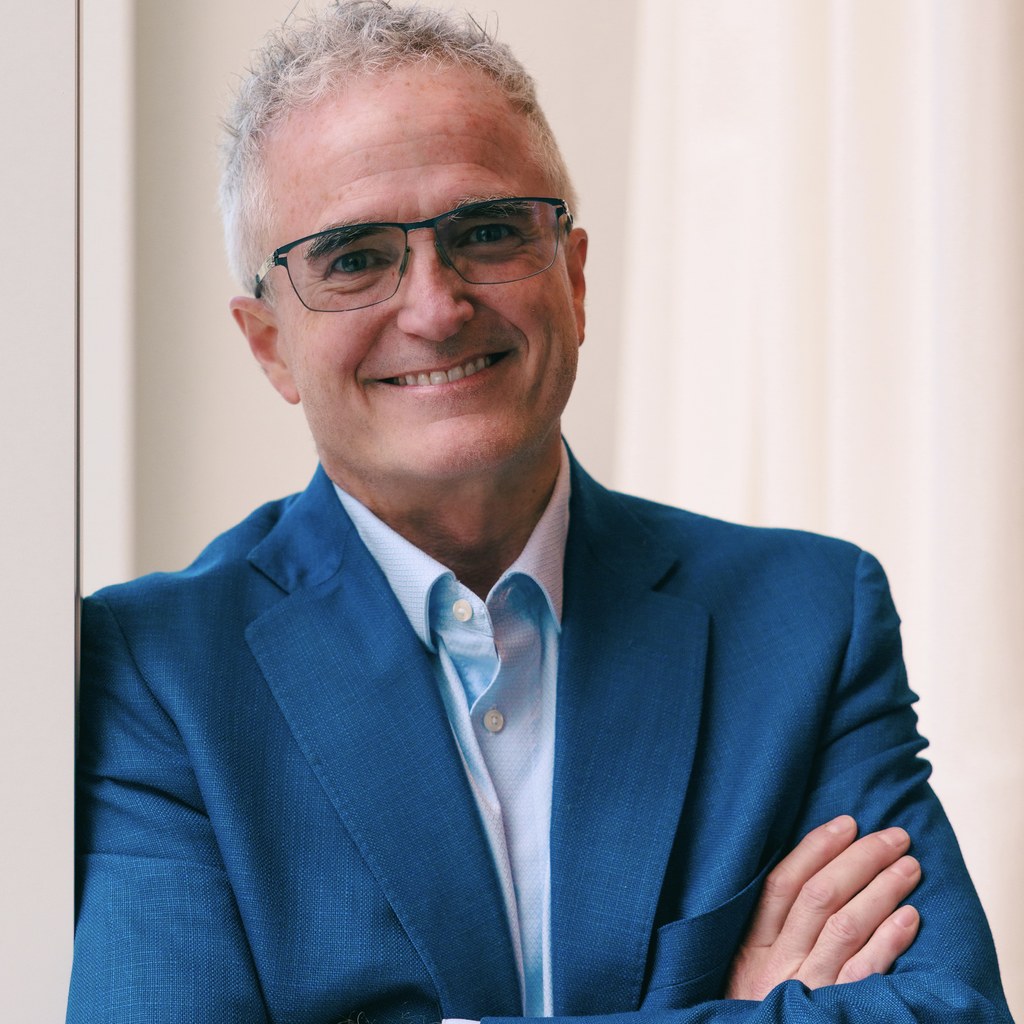
Dr. Jim Arnold, DDS is the Founder and CEO of Foundation Dental Alliance. He has 25+ years in dentistry, has been involved in 60+ practice transitions, and has built multiple top-tier dental teams. His work focuses on leadership, practice value, fee-for-service dentistry, ownership, transitions, and creating practices that give dentists more freedom.
He leads the Foundation Dental Mastermind, Luxury Dental Retreats, co-founded Foundation Dental Transitions, hosts the Foundation Dental Podcast, and publishes Foundation Dental Intelligence for growth- minded independent dentists and practice owners.
Stay Connected
Websites
FoundationDentalAlliance.com
FoundationDentalMastermind.com
FoundationDentalTransitions.com
FoundationDentalNetwork.com
LuxuryDentalRetreats.com
Social Media
LinkedIn: linkedin.com/in/arnoldjim
Instagram: instagram.com/smilesbyarnold
YouTube: youtube.com/@DrJimArnold
Facebook: facebook.com/smilesbyarnold
TikTok: tiktok.com/@foundationdentalalliance
Contact
Professional Email: drarnold@foundationdentalalliance.com
© 2025 Foundation Dental Alliance. All Rights Reserved.