Foundation Dental Intelligence
Newsletter No. 48
Practice Wealth Isn’t What You Think It Is.
Why the Most Valuable Practices Rarely Look “Successful” on the Surface

Most dentists I meet think they’re building wealth because the practice is producing more, collecting more, and getting busier. I understand why. Those are the numbers dentistry puts in front of us every day, and when they move in the right direction it feels like progress. The problem is that income and wealth are not the same thing. A practice can generate a very good income while becoming more dependent on the owner, more expensive to operate, and harder to transfer. I’ve seen practices collecting around $3 million that looked impressive from the outside but were financially fragile and exhausting to own. I’ve also seen practices collecting roughly half that amount give the owner more options, better margins, and a business that could function without constant intervention. The difference wasn’t clinical skill or work ethic. It was the way the practice was built. Collections tell you what moved through the business. They do not tell you how much of that performance will remain if the owner wants to work less, gets sick, changes priorities, or eventually decides to sell. That is the part of practice wealth I wish more dentists understood earlier. The number that matters most is not simply what the practice can produce while you are pushing it. It is what the practice gives you the ability to choose when something changes. Collections measure cash flow. Practice wealth is the combination of margin, transferability, and options the owner can actually use.
Why Collections Are Not the Same as Wealth
For most of a dental career, success is measured in obvious ways. Production goes up. Collections go up. New patient flow improves. The schedule fills farther into the future. None of those metrics are meaningless, but they can create a false sense that a bigger practice is automatically a better asset. The part that gets missed is what it costs to create the number. If overhead rises with production, debt service consumes the profit, the owner has to remain clinically maxed out, and every meaningful decision still routes back to one person, the practice may be generating more activity without creating more wealth. This is why I pay much more attention now to margin and dependency than I did earlier in my career. A practice that pays the owner well but requires nearly all of the owner’s energy to keep it performing is still valuable. It just carries a different kind of risk than a practice with comparable earnings that can hold its standard without the owner in the middle of every decision. Dentistry makes it easy to confuse busyness with business quality because busyness is visible. Transferability is not. You usually do not discover the difference until you need the practice to work differently than it has worked before.
Income and Practice Wealth Answer Different Questions
The Difference Shows Up When the Owner Wants Something Different
A fragile practice can look perfectly healthy as long as the owner remains healthy, motivated, clinically productive, and willing to keep doing exactly what the business currently requires. The test comes when that owner wants something different. Health changes. Family priorities change. The dentist gets tired of carrying the same schedule. A new opportunity appears. A transition becomes possible. Sometimes nothing dramatic happens at all. The owner simply realizes that working four clinical days forever is no longer what he wants. That is when the business model gets exposed. If reducing your clinical schedule immediately threatens cash flow, if the team cannot make decisions without you, or if a buyer has to assume that patients and production will leave when you do, then the collections number was never telling the whole story. I have watched this happen enough times in transition conversations that the pattern is hard to ignore. Dentists often believe they have options because revenue is strong. Once we look at margins, owner dependency, team depth, and how the practice actually functions without the owner, some of those options disappear. Other owners discover the opposite. Their practice may not be the biggest in town, but because it is profitable, stable, and transferable, they can choose from several good paths. Practice wealth becomes visible when the owner wants permission to change and the business can absorb that change without falling apart.
What the P&L Can Hide
A strong collections number can cover up a lot. Overhead can move toward 70 or 80 percent while the top line still looks impressive. Equipment and facility debt can absorb the profit created by increased volume. The owner can work four days that feel like six because the financial report does not account for the emotional cost of being the person every problem eventually reaches.
I do not say that to dismiss revenue. Revenue matters. The point is that the P&L needs context. If $2 million of production requires nearly all of your attention and energy to keep the wheels on, the practice has not yet created the kind of separation that gives an owner real flexibility. This is also where EBITDA becomes useful. It forces a different conversation because it asks what the business earns after the operating costs are accounted for properly. Even then, EBITDA is not the entire story. Two practices can produce similar earnings and still carry very different levels of owner dependency and transition risk. The financial statements tell you how the business performed. The operating structure tells you how likely that performance is to continue without the person who built it. Both matter.
What Practice Wealth Actually Gives You
The best definition I know is optionality under pressure. Practice wealth is the ability to make an important decision without circumstances forcing the timing or narrowing the choices before you are ready. That might mean reducing clinical hours without creating panic. It might mean investing in another opportunity without putting the practice at risk. It might mean taking a month away and knowing the team can maintain the standard. Eventually, it may mean deciding when to transition, who to transition to, and what kind of role you want afterward. That is why a dentist with the highest collections can still have fewer options than a dentist with a smaller but better-built practice. If everything only works while one person keeps pushing, the owner has income. The owner may not have much room to change the arrangement. The point is not to make yourself irrelevant. It is to make your involvement a choice instead of a requirement. That is a much more useful definition of ownership than simply having your name on the entity documents. The point is not to stop caring about the practice. The point is to stop requiring one specific version of you for the practice to work.
The Practices I Would Rather Own Usually Have Less Friction
When I walk into a well-built practice, I do not usually notice more activity. I notice less unnecessary friction. The front desk is not constantly rescuing the schedule. The doctor is not interrupted for decisions that someone else should own. The team understands the standard and knows where its authority begins and ends. Those practices may not look dramatic from the outside. They often have clean financials, stable team members, consistent systems, and leadership that runs deeper than the owner. Patients trust the practice, not only one personality. The owner is important, but the business is not held together by the owner’s willingness to intervene every time something gets uncomfortable. That matters to a buyer because it reduces risk. It matters to the owner long before a buyer ever appears because it makes the practice easier to live with. The same features that increase transferability also tend to reduce the daily pressure of ownership. This is one reason I have become less impressed by practices that simply look busy. Activity is easy to see. A business that can perform consistently without constant rescue is harder to build, and it is worth more for reasons that have nothing to do with appearances.
Why More Effort Can Make the Problem Harder to See
Dentistry trains us to respond to problems with effort. That mindset is useful clinically. If a procedure is difficult, we concentrate harder. If a skill is weak, we train. If the schedule has an opening, we find a way to fill it. Business problems do not always respond the same way. An owner who personally solves every issue can make the practice perform better today while making the business more dependent on that owner tomorrow. More clinical production can increase collections while reducing transferability if the production cannot be replaced. More involvement can improve short-term execution while preventing other leaders from developing judgment. That is why effort and equity need to be separated in an owner’s mind. Hard work creates opportunities, but the asset becomes stronger when the results can be repeated without requiring the same amount of personal effort forever.
A buyer does not pay a premium because you worked harder than anyone else. A buyer pays for earnings that appear likely to continue after you leave. The owner should care about the same thing years before a sale because predictability is what creates options.
The Best Time to Build Options Is Before You Need Them
Most owners wait too long to think about this because nothing feels urgent. The practice is producing. Income is strong. The doctor is still healthy enough to keep doing what has always worked. That is exactly when the work should begin. You can develop leaders without desperation. You can improve margins without needing an immediate result. You can clean up financial reporting, document systems, clarify decision authority, and remove yourself from responsibilities that do not require your clinical or ownership judgment. None of that feels dramatic on a Tuesday afternoon, but those decisions compound over time. Five years later, the owner who made those changes may have several good choices. The owner who postponed them may discover that the business still depends on the same person, except now there is less energy and less time available to change it. You cannot manufacture optionality three months before you need it. The practices that give their owners the most flexibility usually started creating that flexibility years before anyone was talking about retirement or a sale.
What Real Practice Wealth Protects
The longer I have been in dentistry, the less interested I am in wealth as a number by itself. I care much more about what the asset protects. It protects time because the practice does not require every available hour. It protects decision quality because financial pressure is not forcing you to accept the first option. It protects your family because the business does not have to consume every piece of attention you have left at the end of the day. It protects the version of you ten years from now by giving that person choices instead of obligations created by decisions you made today. This is why practice value and personal freedom are not separate conversations. The same structure that makes a practice more transferable often makes the practice better to own right now. Leadership depth, cleaner margins, lower dependency, and consistent systems are not only exit strategies. They are ownership strategies. If the business becomes more valuable while your life becomes smaller, something is wrong with the definition of success being used.
A Practice Wealth Test Worth Running
I would not start with a valuation report. I would start with what happens when the practice stops receiving the things it currently gets from you personally. If you were gone for 30 days, would important decisions continue to get made at the right level? Would patient experience remain consistent? Would production remain reasonably stable? Would the team know who owns the problems that normally end up on your desk? If collections dipped for a few months, would the practice still have enough margin to respond rationally? If a compelling opportunity appeared tomorrow, could you consider it without destabilizing the business? If someone offered to buy the practice, would the business be ready to transfer, or would the buyer be inheriting a system that still depends heavily on you? Those answers tell you much more about practice wealth than the number at the top of a collections report. They tell you whether the practice is giving you options or simply paying you well to remain essential.
Frequently Asked Questions About Dental Practice Wealth
Is a high-revenue dental practice automatically a valuable practice?
No. Revenue matters, but value also depends on profitability, owner dependency, team stability, systems, revenue quality, and how likely the results are to continue after the current owner leaves.
What is the difference between practice income and practice wealth?
Income is what the practice pays you today. Practice wealth is the value, margin, transferability, and choice the business creates beyond your immediate labor.
Why does owner dependency reduce practice value?
Owner dependency increases risk. If production, leadership, patient relationships, or major decisions depend heavily on one dentist, a buyer has less confidence those results will continue after a transition. The same dependency limits the owner’s freedom before any sale occurs.
Does EBITDA matter more than collections?
They answer different questions. Collections show revenue moving through the practice. EBITDA helps show what the business earns after normal operating expenses are accounted for. Neither number should be interpreted without looking at owner dependency and the quality of the operation behind it.
When should a dentist begin preparing a practice for an eventual transition?
Years before a transition is necessary. Strong leadership, clean financials, healthy margins, predictable systems, and lower owner dependency take time to build, and they improve the owner’s experience long before a sale is on the calendar.
How do I know whether I own a business or a high-paying job?
Ask what happens when you stop working for a meaningful period. If revenue, decisions, leadership, and patient experience deteriorate immediately without you, much of the practice still depends on your labor. That can be changed, but it is important to see it clearly first.
The Question I Keep Coming Back To
For most of a dental career, the external markers of success are easy to see. Production rises. Collections grow. The office gets larger. The schedule gets busier. None of those things are bad, but none of them prove that the practice is becoming a better asset. The better test is what the practice allows you to do without fear. Can you work differently if you want to? Can the team operate without waiting for you? Can you make a financial decision without desperation? Can you transition when the timing is right instead of when circumstances finally force the issue? If your practice disappeared tomorrow, ask yourself what would still have value. The relationships, the systems, the leadership, the margin, the reputation, and the ability of the business to function beyond your personal presence are much closer to the answer than collections alone. That is the kind of wealth worth building because you benefit from it while you still own the practice, not only on the day you sell it.
About the Author
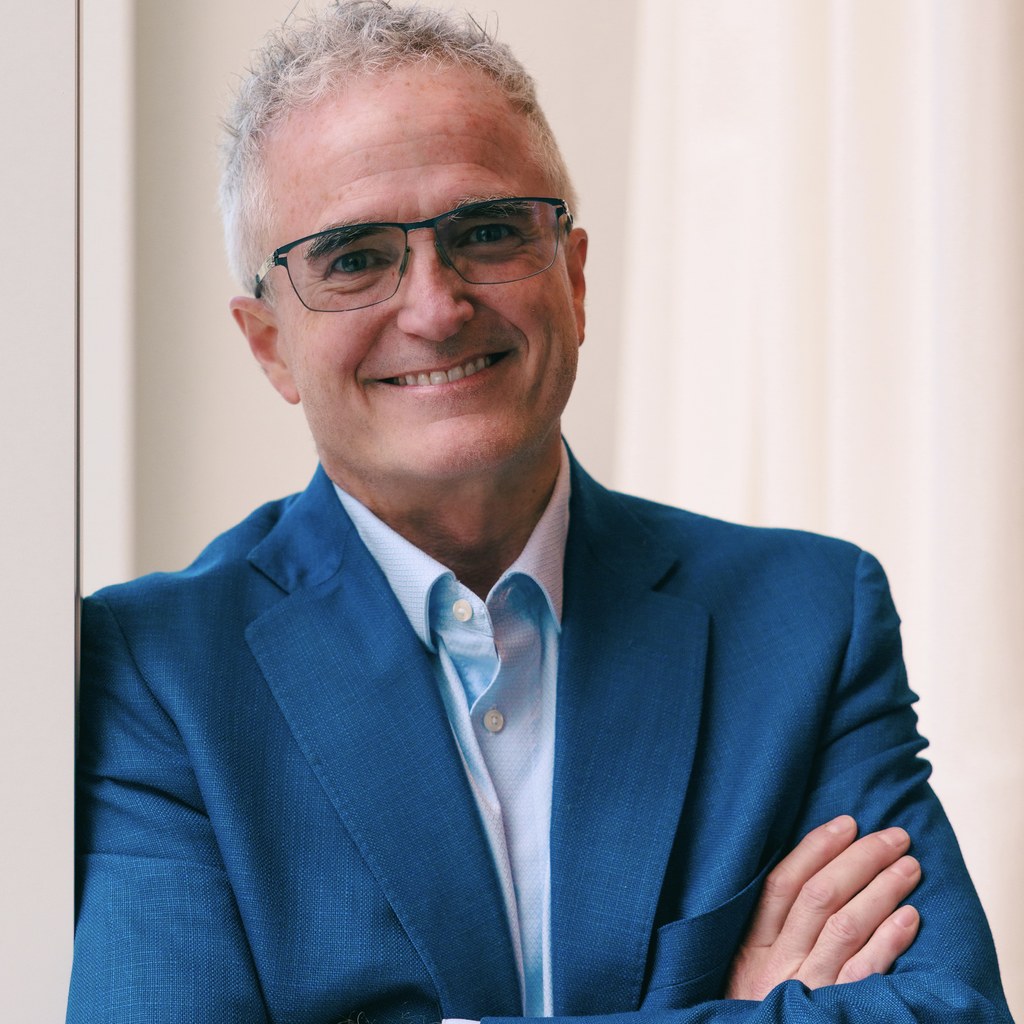
Dr. Jim Arnold, DDS is the Founder and CEO of Foundation Dental Alliance. He has more than 25 years of experience as a clinician, multi-practice owner, educator, and transition advisor and has been involved in more than 60 dental practice transitions. He leads the Foundation Dental Mastermind, Luxury Dental Retreats, co-founded Foundation Dental Transitions, hosts the Foundation Dental Podcast, and publishes Foundation Dental Intelligence for dentists who want stronger leadership, better practices, greater practice value, and more freedom.
Stay Connected
Websites
FoundationDentalAlliance.com
FoundationDentalMastermind.com
FoundationDentalTransitions.com
FoundationDentalNetwork.com
LuxuryDentalRetreats.com
Social Media
LinkedIn: linkedin.com/in/arnoldjim
Instagram: instagram.com/smilesbyarnold
YouTube: youtube.com/@DrJimArnold
Facebook: facebook.com/smilesbyarnold
TikTok: tiktok.com/@foundationdentalalliance
Contact
Professional Email: drarnold@foundationdentalalliance.com
© 2025 Foundation Dental Alliance. All Rights Reserved.