Foundation Dental Intelligence
Newsletter No. 51
Your Practice as a Platform for Impact.
Why Architecture, Leverage, and Intentional Design Now Matter More Than Effort

Most dentists still think about their practice as a place: the building where patients come for care, the schedule the team manages, the production number everyone watches, and the clinical responsibilities the doctor carries. That definition works until the owner wants the practice to do something more than produce dentistry.
Maybe you want to work fewer clinical days, develop stronger leaders, create enough financial margin to make decisions without pressure, or take a month away without spending the entire month checking your phone. Maybe you want to invest in another opportunity or eventually transition the practice on your own terms. Once those questions enter the picture, the old definition of a practice starts to feel incomplete.
A dental practice becomes a platform when its structure produces excellent care, stronger people, financial durability, and more room in the owner’s life without requiring the owner to be the connective tissue for every important decision. The goal isn’t to make the dentist unnecessary. It’s to make the dentist’s presence valuable without making it structurally required everywhere.
I’ve seen good practices that never make that shift. Production is solid, the team is loyal, and patients are happy, but the owner still resolves every team conflict, approves every meaningful expense, and becomes involved whenever a situation falls outside the usual script. The practice works, but it works because one person keeps making it work.
What Does It Mean to Build a Dental Practice as a Platform?
The word platform can sound more complicated than the idea itself. I use it to describe a practice that supports more than one outcome at the same time. Excellent dentistry still matters, but the business should also develop people, create financial margin, protect the owner’s time, and increase the number of choices available later.
Those outcomes reinforce one another when the practice is designed well. A capable team reduces unnecessary owner interruption. Better margin gives the owner time to think before reacting. Clear systems make performance more predictable, and predictability makes future decisions easier whether the owner is hiring, investing, reducing clinical days, or preparing for a transition.
A practice built around constant owner heroics does the opposite. Revenue can increase while freedom declines because every new patient, employee, service, and opportunity adds more complexity to the same person. The business gets larger, but the owner’s world gets smaller.
A platform gives the owner more options as the practice grows. A poorly designed practice gives the owner more obligations.
Why Does Effort Eventually Stop Solving the Problem?
Dentistry trains us to respond to problems with effort, and clinically that instinct serves us well. A difficult case gets more attention. A skill gap gets more training. A problem in the operatory gets handled by somebody who knows what to do.
Ownership is different because some problems are created by the way the practice is designed. If every important decision still moves toward the doctor, working harder doesn’t fix owner dependency. If the team has no real decision authority, another meeting doesn’t create leadership. If overhead leaves no room for error, producing more dentistry may cover the problem temporarily without changing the economics underneath it.
This is where owners can become trapped by their own competence. Answering the question yourself is usually faster. Taking over the patient conversation can feel safer. Fixing the schedule personally gets the day back on track. Those choices make sense one at a time, but repeated for years they teach the practice that the dentist is still the safest answer to almost every exception.
What Should the Platform Create Clinically?
Clinical impact is not simply more production. The practice should allow the dentist to spend more time doing the work that matches the doctor’s skill, energy, and judgment while building enough capability around that doctor that every procedure and every patient experience does not depend on one person.
That may mean stronger delegation, better clinical systems, an associate who is developed deliberately, or a team member who takes ownership of responsibilities the doctor has carried for years. It may also mean deciding which procedures belong in the practice and which ones do not. The point is focus, not volume.
I would rather see a dentist doing the dentistry he or she is exceptionally good at inside a structure that supports that work than a dentist performing every possible procedure because the business has never been designed to function any other way.
What Should the Platform Create for the Team?
The team should become more capable because they work in the practice. That does not happen when the owner keeps all meaningful judgment at the top. People become better at following instructions, but they do not necessarily become better at leading.
A platform practice develops people who understand the standards, own meaningful outcomes, and can make appropriate decisions without waiting for the doctor to return from an operatory. The owner still sets direction and protects the larger standard, but the organization stops treating every exception as an owner-level problem.
Good people want responsibility that means something. They want to know they are trusted, that they are improving, and that the organization has room for them to become more capable over time. If every important decision still has to run through you, the practice has a leadership ceiling whether the team realizes it or not.
What Should the Platform Create Financially?
Revenue matters, but revenue alone does not create much protection. A practice collecting more money can still be fragile if expenses consume most of it, debt absorbs the margin, or the owner has to maintain a specific production pace just to keep the economics working.
Financial impact means the business produces enough predictability and margin that the owner can make decisions from a position of strength. The practice can absorb a difficult month without panic, invest when the right opportunity appears, and reduce the doctor’s clinical schedule without immediately putting the business at risk.
That same structure matters later when the owner starts thinking about practice value or a transition. Buyers care about what the business produces, but they also care about how dependent those results are on the current owner. Clean financials, healthy margin, capable leadership, and lower owner dependency make the business easier to understand and easier to transfer.
Practice value is not created only at the transaction table. It is built years earlier through the operating decisions that make the business durable.
What Should the Platform Create Personally?
This is the part dentists often postpone because it does not appear on the monthly dashboard. The practice should support your life. Ownership does not have to be easy, but the business should not require your health, marriage, family, energy, and ability to think clearly as permanent inputs just to maintain normal performance.
If the practice succeeds while your life keeps contracting, something is wrong with the design. Dentists can tolerate an extraordinary amount for a long time, especially when the numbers still look good. The schedule stays full, income remains strong, and everybody assumes the owner must be doing well even when the owner is exhausted, short with the people at home, and unable to leave the office mentally.
I am not interested in helping dentists build a practice that looks successful while the owner loses the ability to enjoy it. A strong practice should create more room in your life over time, not less.
Why Do Good Dentists Stay Stuck in Owner Dependency?
Usually because the current arrangement still works. Nothing forces change when production is good and the team continues showing up. The doctor may feel tension, but there is always another patient, employee issue, treatment plan, equipment decision, or administrative problem that feels more immediate than redesigning the practice.
The harder questions get pushed out: What role do I actually want to play here five years from now? What should somebody else already own? Which decisions truly require me, and which ones still depend on me because I have never transferred the judgment? What am I building toward? Those questions are less urgent than today’s schedule, but they matter more to the owner’s future.
The longer they remain unanswered, the more the current operating model hardens. People become accustomed to the owner making certain decisions, systems develop around the owner’s availability, and financial obligations assume the doctor will keep producing at the same level. Waiting does not preserve flexibility. In many cases, it slowly reduces it.
How Does Platform Thinking Change Everyday Decisions?
The value of this idea is not the word platform. It is the filter it gives you. A hiring decision becomes more than, ‘Do we need another person?’ The better question is whether the role increases the capability of the practice or simply adds another person for the owner to manage.
The same test applies elsewhere. A system should reduce dependence somewhere, improve consistency, or make a recurring decision easier for the right person to own. A technology purchase should improve clinical care, efficiency, patient experience, financial performance, or some combination that fits the direction of the practice. A new opportunity may be attractive and still not belong.
Once the owner knows what the practice is supposed to support, saying no becomes easier because the decision is no longer being made in isolation. Intentional design removes a surprising amount of noise.
Why Does Better Structure Change the Experience of Ownership?
Problems do not disappear in a well-designed practice. People still leave, patients still become upset, collections still move, equipment still breaks, and opportunities still create difficult decisions. The difference is that every problem does not threaten the entire operating model.
A capable team can absorb more without waiting for the doctor. Financial margin gives the owner room to think before reacting. Documented systems reduce the number of situations that have to be reinvented. Clear direction makes it easier to decide which opportunities fit and which ones do not.
The owner is still responsible, but responsibility no longer means being the only person capable of keeping the practice moving. That is a very different experience of ownership.
How Do You Know Whether You Have a Practice or a Platform?
Look at what happens when you are no longer immediately available. If you stepped away for 30 days, which decisions would stop? Which systems would begin breaking down? Which team members would have authority but not enough judgment, or enough judgment but no authority? How long would it take before the practice needed you to become the central problem-solver again?
Look at the financial side too. If collections dipped for a few months, how much room would the practice have? If an opportunity appeared that required time or capital, could you consider it rationally? If the right transition opportunity showed up, would the practice be ready to be evaluated without months of emergency cleanup?
Those answers are more useful than asking whether the practice is busy. A busy practice can still be extremely dependent on the owner. The better question is whether the structure gives the owner choices.
Where Should an Owner Start?
Do not start by trying to redesign the entire practice at once. Find one area where the business depends on you more than it should. It may be a recurring decision, a team member who is ready for more authority, a financial process nobody else understands, a clinical responsibility that could move with proper training, or a system that exists in your head and nowhere else.
Choose one area and make the standard clear. Decide who should own it, give that person the authority and information required to do the job, and then pay attention to whether the responsibility actually moved or whether the practice simply created another process that still comes back to you.
The first objective is not to remove yourself. The objective is to stop being required where you no longer need to be required. That is how the platform starts to take shape.
Frequently Asked Questions About Building a Dental Practice as a Platform
What does it mean to treat a dental practice as a platform?
It means designing the practice to create several useful outcomes at the same time: excellent clinical care, stronger team leadership, financial durability, and more freedom for the owner. The practice still needs the dentist, but it should not require the dentist to personally carry every meaningful decision.
How do I know if my practice is too dependent on me?
Look at what stops when you are unavailable. If routine decisions, team leadership, patient issues, or important systems quickly move back to you, owner dependency is still high even if production and collections are strong.
Does reducing owner dependency mean working less?
Not necessarily. It means having a choice. A dentist may still want to work four clinical days because the work is enjoyable. The difference is that the schedule is chosen rather than structurally required.
How does practice design affect dental practice value?
A practice with strong financial performance, clean systems, capable leadership, and lower owner dependency is easier for another owner or buyer to understand and operate. Those qualities reduce operational risk and improve transferability.
What should I delegate first?
Start with a recurring responsibility that reaches you often but does not require your unique clinical or ownership judgment. The best first step is usually small enough to transfer safely but important enough that you notice the difference when it no longer belongs to you.
Can a solo dentist build a platform practice?
Yes. A platform is not defined by the number of locations or doctors. A solo practice can have excellent systems, capable team leadership, strong financial margin, reliable outside partners, and low owner dependency in areas that do not require the dentist personally.
What Are You Actually Building?
The practice is already producing something beyond dentistry. The question is what. Is it producing stronger leaders or more dependency? Is it creating financial margin or requiring a higher production pace every year? Is it giving you more choices or narrowing the number of ways the business can operate successfully?
Those outcomes are not accidents. They come from the structure you build and the decisions you keep repeating. Your practice can be more than the place where you work. It can become the structure that supports what you want to build next.
If you want help thinking through what that should look like in your own practice, reply IMPACT or send me a DM. That is the work we do.
About the Author
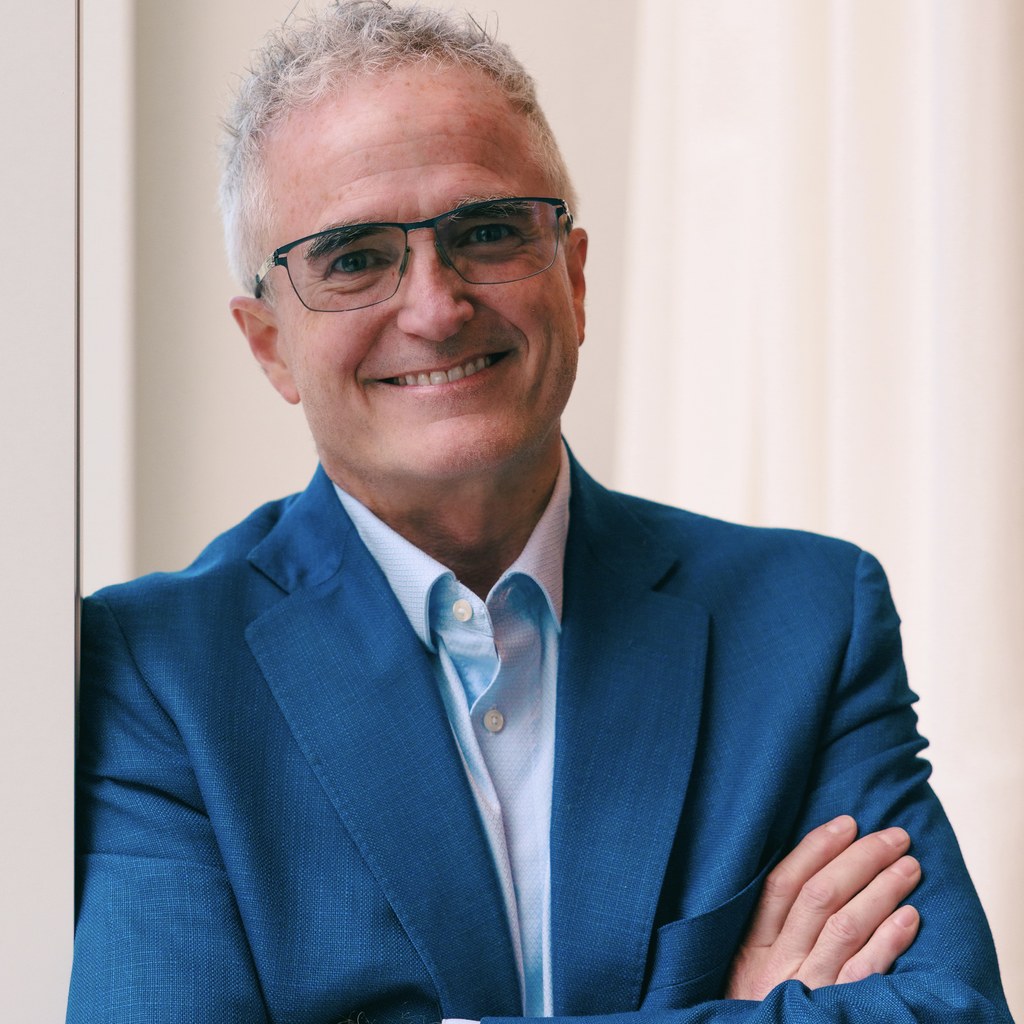
Dr. Jim Arnold, DDS is the Founder and CEO of Foundation Dental Alliance, an ecosystem built to help dentists create profitable, independent, resilient practices through leadership, systems, and strategic clarity.
With more than 25 years as a multi-practice owner and educator, Jim works with dentists at every stage of their career to design practices that support professional success and personal well-being.
Stay Connected
Websites
FoundationDentalAlliance.com
FoundationDentalMastermind.com
FoundationDentalTransitions.com
FoundationDentalNetwork.com
LuxuryDentalRetreats.com
Social Media
LinkedIn: linkedin.com/in/arnoldjim
Instagram: instagram.com/smilesbyarnold
YouTube: youtube.com/@DrJimArnold
Facebook: facebook.com/smilesbyarnold
TikTok: tiktok.com/@foundationdentalalliance
Contact
Professional Email: drarnold@foundationdentalalliance.com
© 2026 Foundation Dental Alliance. All Rights Reserved.